
To Buy Addyi Online Visit Our Pharmacy ↓
 How Addyi Works for Low Libido in Women
What Addyi Is and Who It Helps
Addyi is a prescription medicine designed for some premenopausal women who experience persistent low sexual desire that feels distressing, not occasional changes in interest. It is not a quick fix or an instant spark; instead, it is meant for women whose reduced libido has continued over time and affects their quality of life.
It is important to know that Addyi is not for everyone. Doctors consider it when low desire is not caused by relationship issues, medical conditions, mental health concerns, or medications alone. In the right person, it may offer another option when other explanations have been explored and a more balanced treatment plan is needed.
| Key point | Addyi is for premenopausal women with ongoing, distressing low desire |
The Science Behind Female Libido Changes
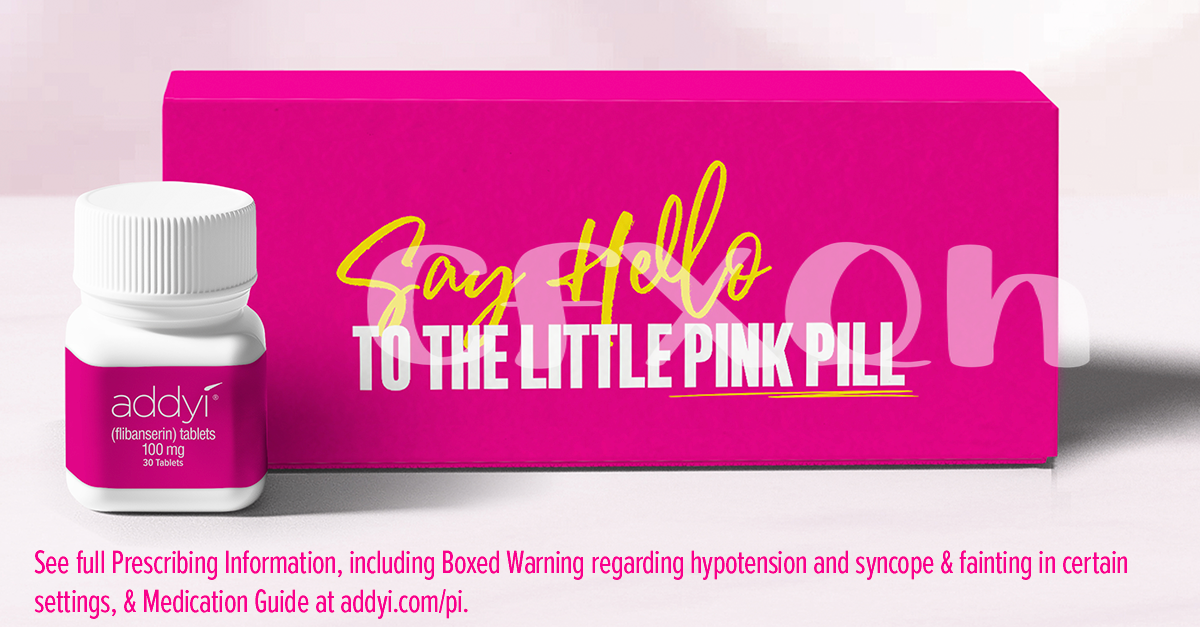
Female desire is shaped by a complex mix of hormones, brain signals, mood, stress, relationship dynamics, and overall health. When these factors shift, interest in sex can fade even when attraction or love remains strong. Many women notice that desire is not constant; it rises and falls with life changes, sleep, pain, anxiety, or medication use.
That’s why low libido is often more than a simple lack of interest. It can reflect how the body and brain are responding to daily pressures. Treatments like addyi are designed with this complexity in mind, aiming to support women whose desire has changed over time and feels distressing rather than occasional.
How Addyi Affects Brain Chemistry
Addyi works in the brain, not the body. It is designed to help rebalance key chemical messengers that influence sexual desire, especially in the areas linked to mood, motivation, and reward.
It gently lowers serotonin activity while increasing dopamine and norepinephrine signals. That shift may sound small, but it can matter a lot when low libido is tied to a brain chemistry imbalance rather than a physical problem.
For some women, this can make desire feel less blocked and more responsive over time. addyi is not an instant boost, and it does not create arousal on demand, but it may help restore a healthier baseline.
Because it acts on the central nervous system, its effects build gradually with daily use. The goal is not to force desire, but to support the brain pathways that allow it to return more naturally.
Daily Use: What to Expect Realistically
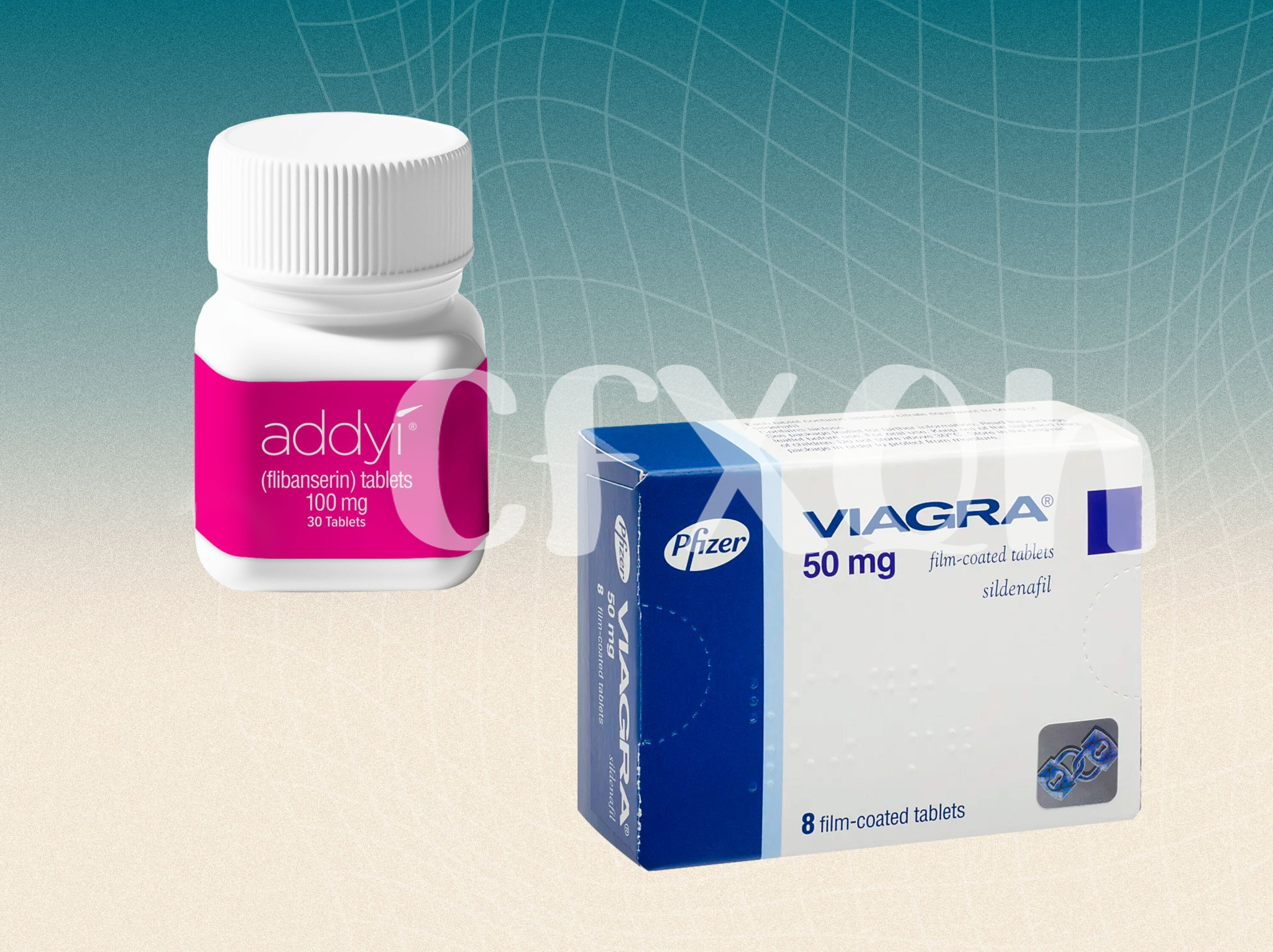
Addyi is taken once a day, usually at bedtime, and consistency matters more than timing around intimacy. It is not a quick fix, so expectations should stay realistic: some women notice changes gradually over several weeks, while others may need longer to judge whether it is helping.
The experience can feel subtle at first, with modest improvements in desire rather than dramatic, immediate changes. Keeping track of mood, energy, and libido can help you notice patterns. If addyi is working, the goal is a steadier, more natural interest in sex over time.
Common Side Effects and Safety Considerations
Addyi can help some women, but it may also bring unwanted effects. The most common are dizziness, sleepiness, nausea, and fatigue, especially when treatment first begins.
Because addyi can lower blood pressure, drinking alcohol too close to a dose raises risk. Fainting may occur, so it is important to follow timing rules carefully and avoid other medicines that increase sedation.
A simple safety table can help: dizziness—stand slowly; nausea—take it exactly as prescribed; sleepiness—avoid driving if affected. If symptoms feel strong or unusual, contact a healthcare professional promptly.
Women with liver problems, or those taking certain antibiotics, antifungals, or heart medicines, may need extra caution. The safest use comes from honest discussion, careful screening, and realistic expectations.
Talking to Your Doctor about Addyi
A candid conversation with a clinician can turn confusion into a clear plan. If low desire has been persistent and distressing, bring up how long it has lasted, what seems to affect it, and whether stress, sleep, pain, medications, or relationship changes may be part of the picture.
Your doctor may ask about your medical history, alcohol use, and any medicines you take, since Addyi is not suitable for everyone. It is especially important to mention pregnancy, liver problems, or blood pressure concerns.
Ask how the medication is meant to work, when to take it, and what results are realistic. It may help to discuss side effects, interactions, and what to do if you miss a dose.
Most importantly, view the visit as a partnership. The goal is not only treatment, but finding the safest path toward feeling like yourself again.