
To Buy Atarax Online Visit Our Pharmacy ↓
 Atarax Interactions: Drugs, Alcohol, and Food
Understanding Atarax and How It Works
Atarax is a prescription medicine often used to ease anxiety, calm itching, and help with short-term sleep problems. It works by slowing certain signals in the brain, creating a soothing effect that can make restless thoughts and physical discomfort feel less intense. Many people notice a gentle sense of relaxation soon after taking it, which is why it is sometimes chosen when symptoms feel overwhelming.
Its active ingredient, hydroxyzine, belongs to a class of antihistamines, but its effects go beyond allergy relief. By influencing brain activity, Atarax can reduce tension and promote calm, though it may also cause drowsiness or slower reactions.
| Note | Take only as prescribed |
Dangerous Drug Interactions to Avoid
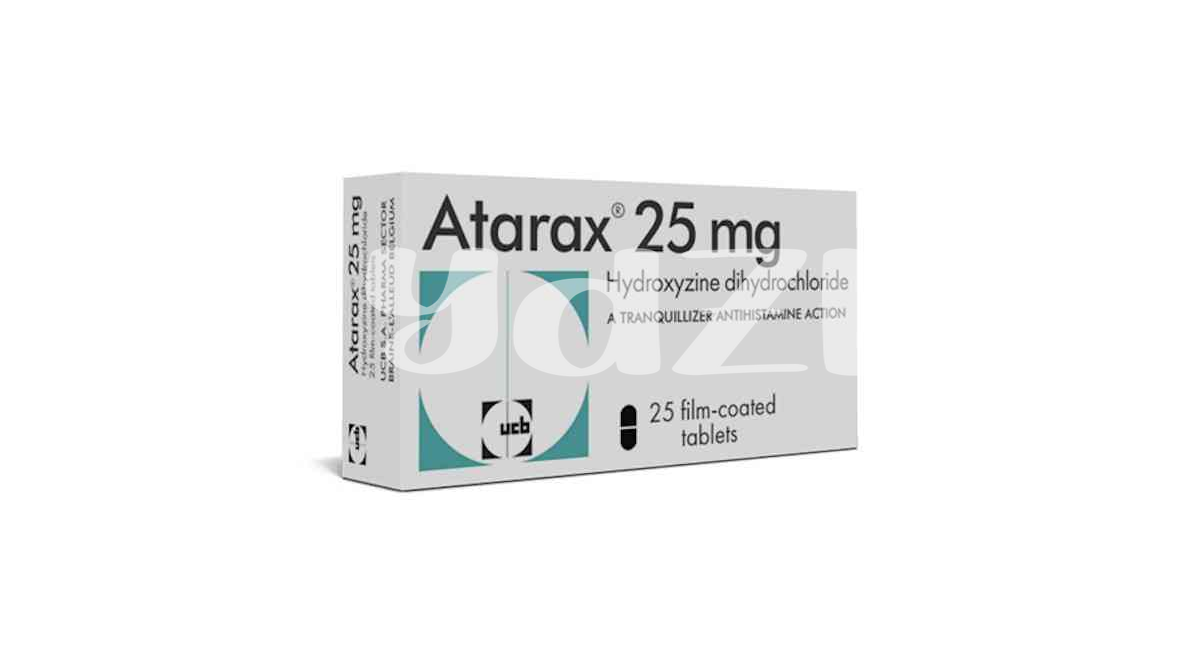
Atarax can interact with other medicines in ways that make drowsiness, confusion, or breathing problems worse. Mixing it with opioids, sleep aids, muscle relaxants, certain antidepressants, or anti-anxiety drugs may intensify sedation and slow your reactions. Even everyday prescriptions can become risky when combined, so it is important to review every medication with a clinician before starting treatment.
If you take atarax along with antihistamines, tranquilizers, or seizure medicines, the effects may stack up unexpectedly. Some combinations can also affect heart rhythm or increase side effects like dry mouth, blurred vision, and poor coordination. A careful check of your full drug list helps prevent surprises and keeps treatment safer.
Alcohol and Atarax: Why Caution Matters
Mixing alcohol with atarax can quickly turn a simple evening into a risky one. Both substances slow the central nervous system, so together they may intensify drowsiness, dizziness, blurred thinking, and poor coordination. What feels like “just one drink” can make the sedating effects stronger than expected, increasing the chance of falls, accidents, or trouble staying alert.
Caution matters because the interaction can be unpredictable, especially if you are sensitive to sedatives or take other medicines. If atarax is part of your treatment, it is safest to avoid alcohol unless your healthcare provider says otherwise. Choosing not to drink helps the medication work more predictably and keeps side effects from becoming a bigger problem.
Food and Atarax: Timing and Effects
Atarax can usually be taken with or without food, but timing may affect how comfortable you feel after each dose. Some people notice nausea or stomach upset if they take atarax on an empty stomach, while others prefer that routine for convenience. A light snack can sometimes make the medicine easier to tolerate, especially when starting treatment.
Food does not typically reduce atarax’s effectiveness in a major way, yet very heavy meals may delay how quickly you feel its calming effects. If you need relief for anxiety or itching at a specific time, taking it consistently the same way each day helps you understand your body’s pattern. That simple routine can make treatment feel more predictable.
It is also wise to avoid combining atarax with other sedating substances at mealtimes, since drowsiness can become stronger than expected. Drinking plenty of water and eating balanced meals may support overall comfort, but the key is consistency and awareness. If food seems to change how you respond, speak with your healthcare provider.
Warning Signs of Problematic Interactions
If atarax starts to interact badly with another medicine or alcohol, the body often sends clear signals. Watch for unusual drowsiness, confusion, blurred vision, dizziness, a racing heartbeat, or trouble breathing. Some people may also feel faint, restless, or unable to stay alert. These changes can appear soon after a dose or build up gradually, especially when more than one sedating product is involved.
A marked table can help readers spot patterns quickly: symptom, possible concern, and action. For example, severe sleepiness or slowed breathing calls for urgent medical help, while mild nausea or headache may need a prescriber’s advice. The key is not to ignore new or worsening symptoms, because early response can prevent a minor issue from becoming an emergency.
Safe Use Tips for Daily Atarax Treatment
When Atarax is part of your daily routine, consistency matters. Take it exactly as prescribed, and try to use it at the same time each day so your body can adjust predictably. If drowsiness is a concern, many people prefer taking it in the evening, but only after confirming the timing with a clinician. Keep a simple medication list, and share it with your doctor or pharmacist before starting anything new, including over-the-counter sleep aids, cold medicines, or herbal products.
A few practical habits can make treatment safer. Avoid driving or operating machinery until you know how Atarax affects you, since sleepiness and slowed reactions can appear even at routine doses. Stay hydrated, rise slowly from sitting, and limit other sedating substances. If you miss a dose, do not double up unless instructed. Report unusual confusion, palpitations, or severe dryness promptly, because small warning signs can help prevent bigger problems.