
To Buy Lopressor Online Visit Our Pharmacy ↓
 Lopressor Vs Other Beta Blockers Compared
How Lopressor Works in the Body
Lopressor, a brand of metoprolol tartrate, slows the heart by blocking beta-1 receptors. This helps reduce the force and speed of each heartbeat, easing pressure on the cardiovascular system.
As adrenaline signals are muted, the heart does not have to work as hard. Blood pressure often drops gradually, and the heart may need less oxygen during stress or activity.
That action can be especially helpful after a heart attack or for people with angina, because a calmer heart is less likely to become overworked. It supports steadier circulation throughout the day.
| Effect | Body Response |
| Beta-1 blockade | Slower heart rate |
| Reduced workload | Lower blood pressure |
Lopressor Vs Common Beta Blocker Alternatives
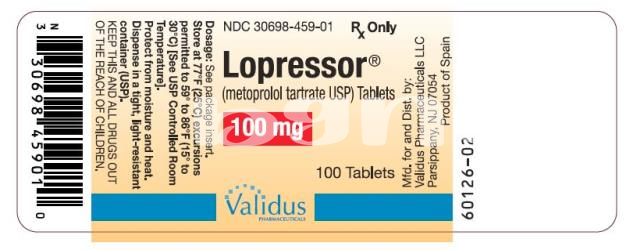
Lopressor, or metoprolol tartrate, is often compared with other beta blockers like atenolol, propranolol, and carvedilol because each has a slightly different role in care. Some are more selective for the heart, while others affect a wider range of receptors, which can change how they feel in everyday use.
For many people, lopressor stands out for its heart-focused action and long history in treating high blood pressure and chest pain. By contrast, carvedilol may be chosen when heart failure is also part of the picture, while propranolol is sometimes used for migraines or tremors.
The best choice often depends on the condition being treated, how often a medicine must be taken, and how well a person tolerates it. That is why doctors compare these options carefully, balancing symptom control, convenience, and the risk of unwanted effects.
Effectiveness Differences for Blood Pressure Control
Lopressor is often chosen when steady blood pressure control is the goal, especially for people who need a beta blocker with a long track record. It can reduce heart rate and lower the force of each heartbeat, helping blood pressure fall gradually and predictably over time.
Compared with some other beta blockers, lopressor may work well for patients who respond best to selective beta-1 blockade. However, not every drug in this class lowers pressure equally in every person, so the best results often depend on the body’s response, the dose, and whether other conditions are present.
For many patients, the difference comes down to consistency. Some beta blockers may offer added benefits in specific cases, but lopressor remains a dependable option when long-term blood pressure control and tolerability matter most.
Side Effects That Set These Drugs Apart
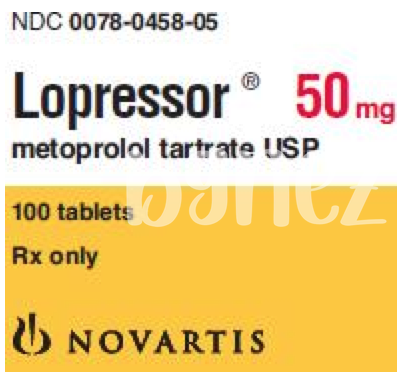
Lopressor can feel different from other beta blockers because its side effect profile is often shaped by how strongly it slows the heart. Some people notice fatigue, dizziness, or a heavier sense of tiredness in the first days, especially if the dose is raised too quickly.
Compared with certain alternatives, lopressor may be more likely to cause cold hands, low energy, or a slower pulse that is noticeable during exercise. These effects do not happen to everyone, but they can influence daily comfort and willingness to stay on treatment.
Other beta blockers may bring more or less of the same issues, yet some are chosen because they fit better with a patient’s lifestyle or sensitivity. For example, a person prone to wheezing may react differently than someone who mainly struggles with fatigue.
The key is matching the medicine to the body. When side effects become distracting, doctors often adjust timing, dose, or drug choice to help treatment stay effective and manageable.
Dosing Convenience and Everyday Use
Lopressor is often taken two or three times a day, which can be less convenient for people with busy routines. Still, that schedule may help some patients keep steadier control when their body responds better to smaller, more frequent doses.
By contrast, many newer beta blockers are designed for once-daily use, making them easier to fit into work, travel, and family life. For everyday use, the best option often depends on how well a person can remember doses and follow the plan consistently.
| Daily use | Often multiple doses |
Choosing the Right Beta Blocker Option
Selecting the right beta blocker often comes down to the story behind the prescription. A person managing high blood pressure may need a different drug than someone coping with chest pain, migraine prevention, or a fast heart rate. Lopressor can be a practical choice when targeted heart-rate control matters, but it is not automatically the best fit for everyone.
Doctors also weigh other factors, including age, asthma, diabetes, and how sensitive someone is to fatigue or dizziness. Some beta blockers last longer, while others may be easier to adjust. That means convenience, side effects, and the need for once-daily dosing can shape the final decision.
In real life, the “best” option is often the one a patient can tolerate consistently. A medication that controls symptoms but causes bothersome tiredness may fail over time, while a simpler regimen may improve adherence and results.
For that reason, the ideal beta blocker is usually chosen through shared decision-making, balancing benefits, risks, and everyday routine.