
To Buy Promethazine Online Visit Our Pharmacy ↓
 Promethazine and Sleep: Is It Safe?
What Promethazine Actually Does to Sleep
Promethazine is an antihistamine that slows down the body’s alert signals, which can make you feel drowsy soon after taking it. For some people, that sleepy feeling can seem like a quick path to rest, especially after a long day when the mind won’t switch off. But the drug does not create natural, high-quality sleep in the way your body normally cycles through it; instead, it often produces a heavy, sedated state that may leave you groggy the next morning.
| Effect | What it means |
|---|---|
| Drowsiness | Can help you fall asleep faster |
| Sedation | May feel like heavy sleep, not restful sleep |
| Next-day grogginess | Can affect alertness after waking |
That means promethazine may quiet the body, but it does not necessarily improve sleep quality or fix the reason you are struggling to sleep in the first place.
Why People Use It as a Sleep Aid
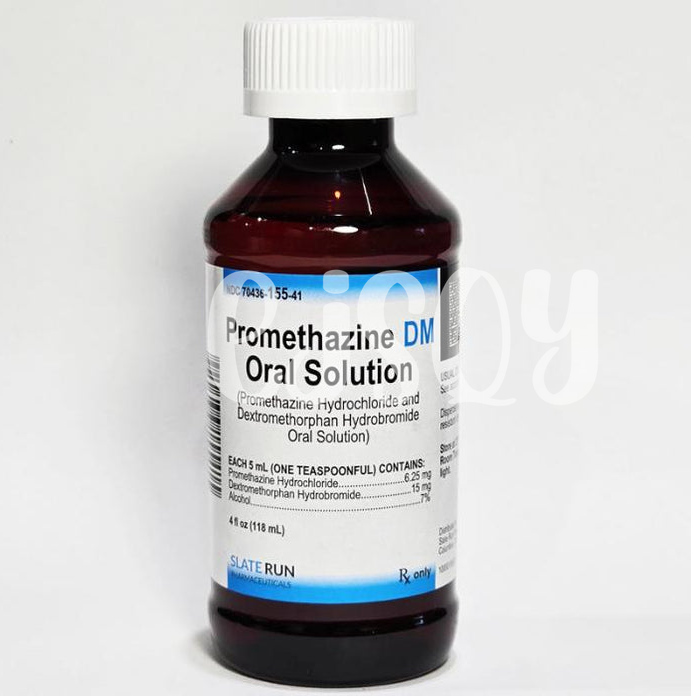
When nights feel endless, some people reach for promethazine because it can make them drowsy fairly quickly. That sedating effect is the main reason it gets used as a sleep aid, especially by people who are frustrated by occasional insomnia or jet lag.
It may seem appealing because one tablet can feel like an easy shortcut to rest. For someone who has trouble calming down after a stressful day, the heavy, sleepy feeling can look like relief. Some also use it after nausea, since the medicine may seem to help them sleep through discomfort.
Others turn to it because it is often familiar, inexpensive, and available by prescription in many places. The idea of getting “something stronger” than herbal remedies can be tempting.
Still, using promethazine for sleep is not the same as treating the cause of poor rest, and that matters.
Common Side Effects You Should Watch for
Promethazine may seem helpful at night, but it can leave people feeling groggy well into the next day. Drowsiness is the most common effect, and some users also report dry mouth, blurred vision, dizziness, or constipation. In more sensitive people, the medication can cause confusion, slowed thinking, or a heavy “hangover” feeling that makes morning tasks harder than expected.
These reactions matter because even mild side effects can affect focus, balance, and reaction time. If promethazine is taken in a higher dose or combined with alcohol or other sedating medicines, the sleepiness can become stronger and less predictable. Paying attention to how your body responds is important, especially if you notice unusual weakness, trouble staying awake, or any worsening symptoms.
Safety Concerns and Drug Interaction Risks

Promethazine may look harmless when it makes a restless night feel easier, but its effects can become risky fast. Because it slows the central nervous system, it can deepen drowsiness more than expected and leave people groggy the next day.
The danger rises when promethazine is mixed with alcohol, opioids, sleep medications, or anti-anxiety drugs. Together, these substances can intensify sedation, impair breathing, and make it harder to stay alert or react normally.
Some interactions are less obvious. Antidepressants, antihistamines, and medicines that affect heart rhythm may increase side effects or create extra strain on the body. Even over-the-counter products can add to the problem.
That’s why anyone using promethazine for sleep should check every medication and supplement first. A quick conversation with a clinician can prevent a risky combination and help avoid unwanted complications.
Who Should Avoid Promethazine for Sleep
People with breathing problems, such as asthma, chronic bronchitis, or sleep apnea, should be cautious with promethazine, since its sedating effect can make nighttime breathing feel even more restricted. Older adults are also at higher risk, because the medicine may cause confusion, dizziness, and falls. Anyone who has glaucoma, an enlarged prostate, seizure disorders, or severe liver disease should speak with a clinician before using it for rest. Promethazine may seem like a simple shortcut to sleep, but for these groups, the trade-offs can be significant.
| Higher-risk group | Main concern |
|---|---|
| Breathing disorders | Worsened nighttime respiration |
| Older adults | Confusion and falls |
| Glaucoma or prostate issues | Symptom worsening |
Safer Alternatives for Better Nighttime Rest
If promethazine leaves you groggy the next day, gentler sleep strategies may be a better fit. Start with consistent sleep and wake times, because the body often responds well to routine. A cool, dark room, reduced evening screen time, and avoiding caffeine late in the day can make a surprising difference.
For many people, calming rituals work better than medication. Reading, stretching, breathing exercises, or a warm shower can help signal that it is time to unwind. If stress or racing thoughts are the main problem, journaling or guided meditation may ease the transition to sleep.
When insomnia continues, melatonin may help some adults short term, but it is not ideal for everyone. Cognitive behavioral therapy for insomnia is often the most effective long-term option because it addresses the habits and thoughts that keep sleep out of reach.
If poor sleep is frequent, it is worth speaking with a clinician rather than self-treating. The safest approach is finding the cause first, then choosing a remedy that supports rest without creating new problems.