
To Buy Stromectol Online Visit Our Pharmacy ↓
 Stromectol Side Effects: What Patients Should Know
Common Stromectol Side Effects Patients Notice
Many patients taking Stromectol notice mild, short-lived effects as the medicine begins to work. Headache, dizziness, nausea, and stomach discomfort are among the most common complaints, and some people also report diarrhea or a temporary feeling of fatigue. These reactions can be unsettling, but they often ease as the body adjusts.
A few patients describe itchy skin, mild rash, or muscle aches, especially during the first day or two. Drinking water, resting, and taking the dose exactly as prescribed may help make these effects easier to manage.
| Common effect | What it may feel like |
|---|---|
| Headache | Dull pressure or throbbing |
| Nausea | Upset stomach or queasiness |
Serious Reactions That Need Immediate Attention

Although stromectol is well tolerated by many people, a few reactions can signal a medical emergency. Trouble breathing, swelling of the face or throat, chest pain, confusion, fainting, or a rapid worsening of weakness should never be ignored. Severe skin changes, such as a blistering rash, peeling, or widespread hives, may also point to a dangerous allergic response and need urgent care.
Some patients may experience intense dizziness, vomiting, vision changes, or seizures, especially if the medicine affects the nervous system more strongly than expected. If symptoms feel sudden, severe, or very different from usual side effects, seek help right away. Acting quickly can prevent complications and ensure the treatment remains safe.
Who Faces Higher Risk of Side Effects
People taking stromectol may notice more side effects if they are older, very young, or already dealing with liver problems. Their bodies may process the medicine more slowly, which can make even standard doses feel stronger.
Risk also rises for patients with weak immune systems or neurological conditions. In these cases, dizziness, confusion, or unusual weakness may appear more easily and should not be ignored.
Someone using several prescriptions at once may also be more vulnerable. Drug interactions can change how stromectol works, especially when combined with sedatives or other parasite treatments.
If you have a chronic illness or are pregnant, speak with your doctor first. A careful review of your health history can help prevent avoidable discomfort and keep treatment safer.
How Stromectol Interacts with Other Medicines
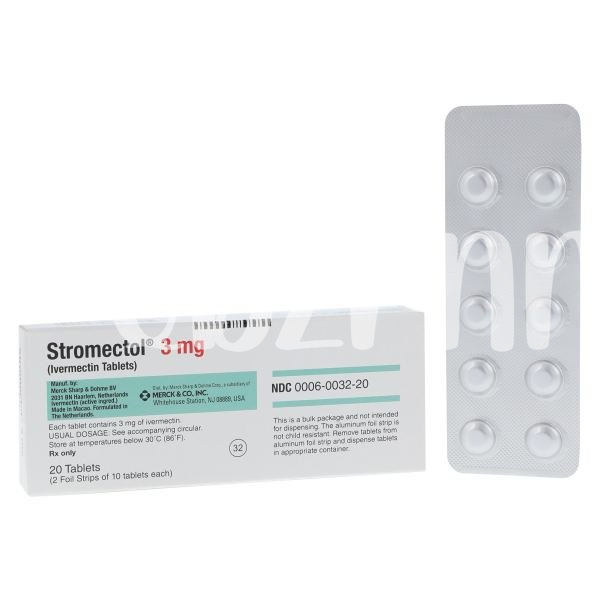
Stromectol can interact with other medicines in ways that change how it works or how your body responds. Some drugs may increase side effects, while others may reduce its effectiveness.
This is especially important if you take medicines for infections, seizures, or immune conditions. Even over-the-counter products and herbal supplements can matter, so a full medication list helps your doctor spot problems early.
If you use multiple prescriptions, timing and dosage may need adjustment. Your pharmacist can also check for interactions before you start stromectol, helping you avoid unnecessary discomfort or unexpected reactions.
Never stop or add a medicine on your own. A quick conversation with your healthcare provider can keep treatment safer and more effective.
Tips to Reduce Discomfort While Taking It
Take Stromectol exactly as prescribed, and try to use it with a full glass of water. Many people feel better when they take it on an empty stomach, unless their doctor says otherwise.
If mild dizziness or nausea appears, rest, avoid alcohol, and rise slowly from sitting or lying down. Light meals and plenty of fluids can also help calm the stomach.
Keep track of any unusual changes after each dose, especially if symptoms linger. A small note in your phone can help you spot patterns and speak clearly with your doctor if needed.
| Tip | Why it helps |
|---|---|
| Drink water | Supports comfort and hydration |
| Rest | May reduce dizziness |
When to Talk to Your Doctor Promptly
If Stromectol leaves you feeling unusually weak, dizzy, or confused, don’t wait it out. Mild discomfort can happen, but symptoms that seem to intensify or linger may signal something more than a passing reaction.
Call your doctor promptly if you develop a rash, swelling, trouble breathing, chest pain, or vision changes. These warning signs deserve quick attention, especially if they appear soon after a dose or worsen over time.
It’s also wise to reach out if nausea, vomiting, or diarrhea make it hard to eat or drink normally. A timely conversation can help prevent dehydration, catch a serious reaction early, and guide safer next steps.