
To Buy Symbicort inhaler Online Visit Our Pharmacy ↓
 Symbicort Inhaler Side Effects You Should Know
Common Symbicort Side Effects You May Notice
Many people using Symbicort notice mild side effects soon after starting treatment. A dry mouth, throat irritation, and a slightly hoarse voice can appear first, especially if the inhaler is used regularly. Some also report a mild cough, a strange taste after inhaling, or feeling a bit shaky for a short time. These reactions can be annoying, but they often settle as the body adjusts. Using the inhaler exactly as prescribed and rinsing your mouth afterward may help make these effects less noticeable.
| Tip: Track new symptoms in a notebook or phone app. |
Why Your Inhaler Might Cause Throat Irritation

A symbicort inhaler can sometimes leave the throat feeling dry, scratchy, or mildly irritated after use. This usually happens because the medication is delivered as a fine mist that passes directly through the mouth and throat before reaching the lungs.
If the inhaler particles settle on sensitive tissue, they may trigger temporary irritation, especially if you inhale too quickly or skip rinsing afterward. Dry air, poor technique, and frequent use can make the sensation more noticeable.
Rinsing your mouth with water after each dose may help reduce discomfort and lower the chance of lingering residue. Using the inhaler exactly as prescribed also supports better control.
Most throat irritation is mild, but if it becomes severe, persistent, or painful, speak with your doctor.
Understanding Tremors, Headaches, and Restlessness
Some people using a Symbicort inhaler notice a fine tremor in their hands, mild headaches, or a jittery feeling soon after a dose. These effects can feel unsettling, but they are often linked to the medicine’s bronchodilator component and may ease as your body adjusts.
Tremors may show up when you grip a cup or write, while headaches can range from dull pressure to a brief pulsing ache. Restlessness may make it harder to relax or fall asleep, especially if the inhaler is used later in the day.
Taking the inhaler exactly as prescribed can help reduce these symptoms. If they become stronger, last longer, or start interfering with daily life, talk with your doctor about dose timing, inhaler technique, or possible alternatives.
Spotting Serious Reactions That Need Attention
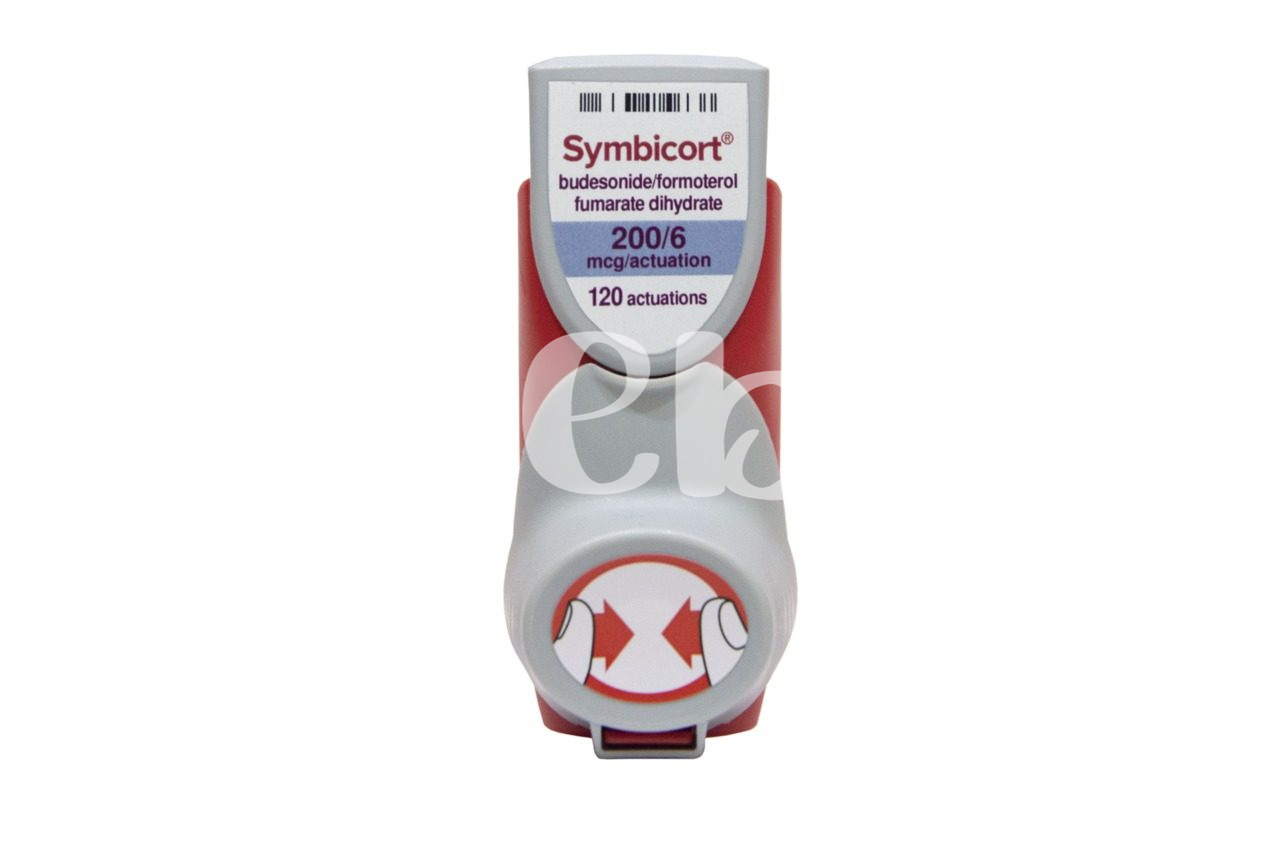
While many Symbicort inhaler side effects are mild, some reactions deserve immediate attention. Seek urgent help if you notice swelling of the face, lips, tongue, or throat, trouble breathing, wheezing that worsens after use, or a rash with itching and dizziness. These symptoms may signal a serious allergic response or a dangerous change in your breathing.
Also watch for chest pain, a fast or irregular heartbeat, severe shakiness, or sudden vision changes. Though uncommon, these can point to a stronger reaction to the medicine. Acting quickly helps protect your health and keeps treatment safer.
Managing Side Effects Without Losing Symbicort Benefits
Using a symbicort inhaler can be highly effective when side effects are kept in check. Many people find that simple habits, like rinsing the mouth after each dose and using the device exactly as prescribed, reduce irritation without affecting relief.
If shakiness, throat dryness, or mild headaches appear, timing can help. Taking your inhaler consistently, staying hydrated, and avoiding overuse may ease discomfort while preserving its control of asthma or COPD symptoms. A spacer may also improve delivery and reduce local side effects.
| Helpful step | Why it matters |
|---|---|
| Rinse after use | Lowers throat irritation and yeast risk |
| Use as directed | Prevents unnecessary side effects |
When to Call Your Doctor about Symptoms
If side effects stay mild, they may fade as your body adjusts, but some symptoms deserve a call. Reach out if you notice worsening wheezing after use, a racing heartbeat that does not settle, or shakiness that interferes with daily tasks. Persistent throat pain, hoarseness, frequent mouth sores, or signs of an oral yeast infection also deserve attention. If you need the inhaler more often than prescribed, that can mean your asthma or COPD is not well controlled. Mayo Clinic NCBI Bookshelf
Seek urgent help if you develop chest pain, severe shortness of breath, swelling of the face or tongue, or a sudden rash with trouble breathing. These can signal a serious reaction rather than a routine side effect. Trust your symptoms: even if they seem small, tracking when they start and how long they last helps your doctor decide whether your dose, technique, or medication plan needs adjusting. MedlinePlus NHS