
To Buy Tetracycline Online Visit Our Pharmacy ↓
 Tetracycline and Acne Treatment Explained
How Tetracycline Fights Acne-causing Bacteria
Tetracycline works by targeting the bacteria that contribute to acne deep within the pores, especially Cutibacterium acnes. It stops these microbes from multiplying, which helps reduce the chain reaction that leads to inflammation, redness, and painful breakouts.
As the bacterial load drops, the skin often becomes calmer and less irritated. This matters because acne is not only about blocked pores; it is also about the body’s inflammatory response to bacteria trapped in the follicle.
By easing both bacterial activity and inflammation, tetracycline gives skin a chance to recover while new lesions are less likely to form.
| Action | Result |
|---|---|
| Bacterial growth slows | Fewer acne flare-ups |
| Inflammation decreases | Less redness and swelling |
When Doctors Recommend Tetracycline for Acne

Doctors may suggest tetracycline when acne becomes more than a cosmetic concern and starts causing painful, inflamed breakouts. It is often chosen for moderate to severe cases, especially when topical creams alone are not giving enough relief.
This antibiotic is usually considered when acne is spreading across the face, chest, or back, or when blackheads and pustules keep returning. Tetracycline can help calm the bacteria-driven inflammation behind stubborn flare-ups.
Dermatologists may also recommend it for patients with sensitive skin who need a treatment that works from the inside. In many cases, it is paired with a gentle skincare routine to support better results.
Because tetracycline is not meant for every type of acne, doctors weigh benefits, age, medical history, and pregnancy risk before prescribing it.
What Makes Tetracycline Effective for Skin
Tetracycline stands out because it reaches the deeper root of acne, not just the visible bumps on the surface. By calming the bacteria linked to breakouts, it helps reduce the chain reaction that leads to redness, swelling, and painful flare-ups.
It also works in a way that feels especially useful for inflamed skin: it limits the immune response that can make acne look and feel worse. This means fewer angry pimples and less lingering irritation, giving skin a chance to settle.
Another reason tetracycline can be effective is its ability to support a more balanced skin environment over time. When bacterial growth and inflammation are both kept in check, the skin often responds with a smoother, calmer appearance.
For people dealing with persistent acne, that combination can be a major advantage. Rather than only masking symptoms, tetracycline helps address the processes behind them, which is why doctors may choose it when breakouts are stubborn.
Possible Side Effects and Safety Precautions
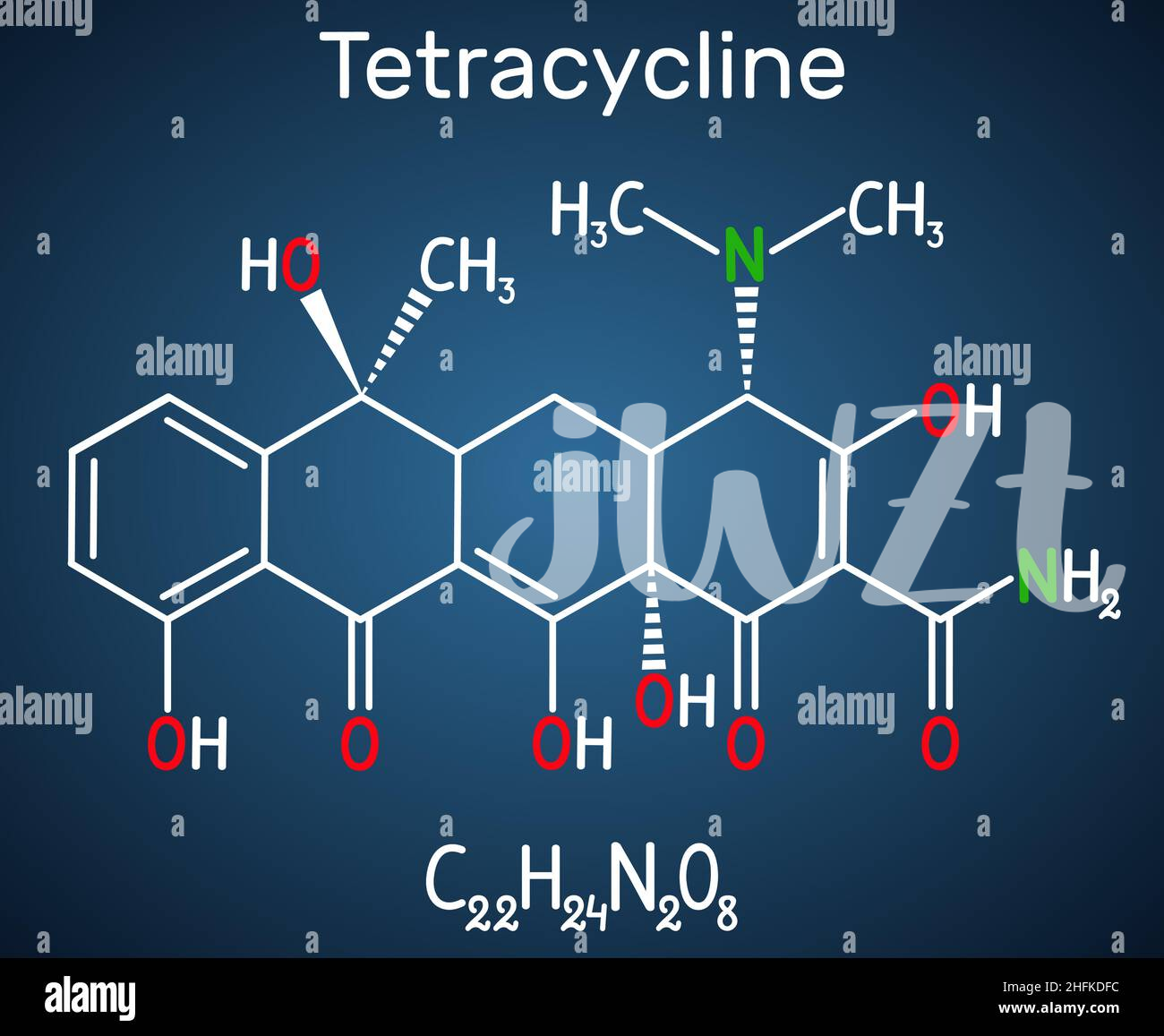
Tetracycline can be effective for acne, but it may also bring unwanted effects that patients should watch for. Some people notice nausea, stomach upset, dizziness, or increased sensitivity to sunlight, which can make even short outdoor walks uncomfortable. In rarer cases, it may affect the liver or cause allergic reactions, so any unusual symptoms deserve attention.
To stay safe, doctors often advise taking tetracycline with a full glass of water and avoiding dairy, antacids, or iron supplements close to the dose. It is also important to finish the prescribed course, use sunscreen daily, and tell a doctor if you are pregnant, breastfeeding, or taking other medicines.
Tetracycline Dosage, Timing, and Treatment Length
A doctor usually tailors tetracycline to the severity of acne, lifestyle, and medical history, because the right dose can make treatment both safer and more effective. Many people take it once or twice daily, ideally at the same time each day to keep levels steady. It is best swallowed with a full glass of water, and not right before lying down, since that can irritate the throat.
Food may affect absorption, so some patients are told to avoid dairy or mineral supplements near the dose. A course often lasts several weeks to months, because skin improvement is gradual.
| Tip | Take as prescribed |
Comparing Tetracycline with Other Acne Treatments
Compared with benzoyl peroxide or salicylic acid, tetracycline works from the inside, targeting the bacteria and inflammation that can drive stubborn breakouts. This makes it especially useful when acne is widespread, red, or painful rather than just mildly clogged pores.
Still, it is not always the first choice. Topical retinoids can help prevent new spots, while other antibiotics or isotretinoin may be better for severe cases. Doctors often combine treatments to improve results and reduce antibiotic resistance over time.