
To Buy Ventolin inhaler Online Visit Our Pharmacy ↓
 Ventolin Inhaler Side Effects You Should Know
Common Ventolin Side Effects at a Glance
Ventolin can bring quick relief, but it may also cause a few familiar effects. Some people notice a mild tremor, a faster heartbeat, or a dry mouth soon after using it. These reactions are usually short-lived and often fade as the medicine wears off.
You might also feel a little nervous or restless, especially if you use Ventolin more than occasionally. A slight headache can happen too. For many users, these symptoms are annoying but manageable, not dangerous.
Most side effects are tied to how the body responds to albuterol, the active ingredient in Ventolin. They often appear right after inhalation and lessen over time. If they become frequent or intense, it is worth discussing with a clinician.
| Common effects | Mild tremor, fast pulse, dry mouth, headache |
When Ventolin Causes Shakiness and Jitters
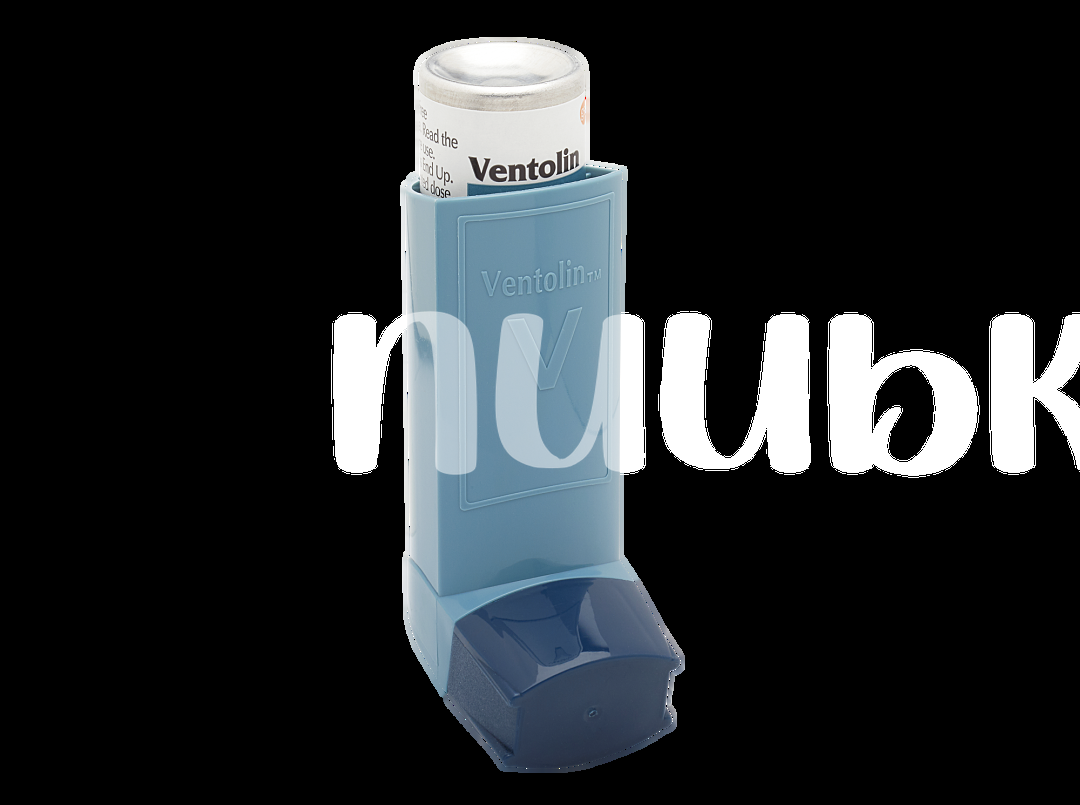
A ventolin inhaler can sometimes leave you feeling unusually shaky, as if your hands have a mind of their own. This happens because albuterol, the active ingredient, stimulates receptors that relax the airways but may also slightly rev up the body. For many people, the jitters appear soon after a puff and fade within a short time. The sensation can be surprising, especially if you are already anxious or have taken a higher dose than usual.
These tremors are usually mild and temporary, but they are worth paying attention to if they become frequent or intense. Try to use your inhaler exactly as prescribed, and sit down for a moment after dosing if you feel unsteady. If shakiness is paired with chest pain, severe palpitations, or trouble breathing, contact a healthcare professional promptly.
Rapid Heartbeat: What It Means
A ventolin inhaler can sometimes make your heart beat faster shortly after use, and that can feel alarming if you are not expecting it. For many people, this happens because the medicine stimulates beta receptors that relax the airways but may also briefly affect the heart. In most cases, the sensation is mild and fades on its own as the dose wears off. Still, if the pounding starts right after each use, it is worth paying attention to how often you are taking the inhaler and whether you are using it correctly.
A brief increase in heart rate is not always dangerous, but it can be a sign that your body is reacting strongly to the medication or that your asthma symptoms are not well controlled. If the fast heartbeat comes with chest pain, dizziness, shortness of breath, or lasts longer than expected, seek medical advice promptly. Keeping track of when it happens can help your clinician decide whether your treatment needs adjustment.
Throat Irritation and Cough after Use
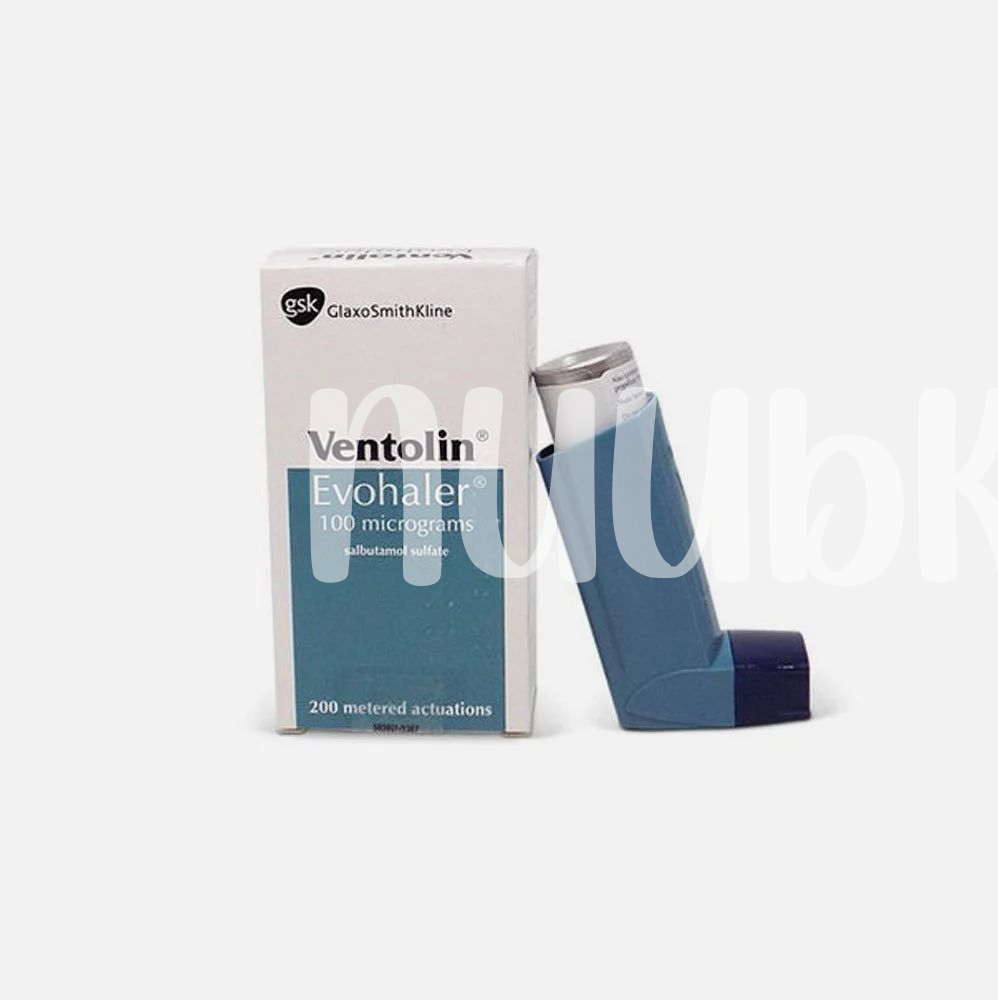
After using a ventolin inhaler, some people notice a scratchy feeling in the throat or a brief cough. It can be unsettling, especially if you were already short of breath, but this reaction is often mild and short-lived. The medicine spray may irritate sensitive airways or the back of the throat, particularly if the inhaler is used too quickly.
Rinsing your mouth with water afterward and using the inhaler with proper technique can help reduce discomfort. If the cough happens every time, lasts a long time, or feels worse than usual, it is worth mentioning to a doctor. Sometimes a simple adjustment makes Ventolin easier to tolerate and more effective.
Rare Reactions You Should Never Ignore
A ventolin inhaler is usually well tolerated, but a few uncommon reactions deserve immediate attention. If wheezing suddenly worsens after a dose, or breathing feels tighter instead of easier, stop using it and seek help.
Watch for swelling of the face, lips, tongue, or throat, since this may signal a serious allergic reaction. Hives, severe rash, or intense itching are also red flags that should not be brushed aside.
In rare cases, chest pain, fainting, or a very irregular heartbeat can occur. These symptoms need urgent medical evaluation, especially if they appear soon after using the inhaler.
How to Use Ventolin More Safely
Using Ventolin wisely starts with the basics: take it exactly as prescribed, and don’t increase the dose just because symptoms feel stubborn. A quick-relief inhaler should ease wheeze or tightness within minutes; if you need it more often than your doctor advised, that’s a sign your asthma or breathing condition may need review. Keep your inhaler clean, check the expiration date, and make sure your technique is correct, since poor use can leave medicine sitting in your mouth instead of reaching your lungs. NHS MedlinePlus
It also helps to track patterns: note when you use it, what triggered symptoms, and whether side effects like tremor or a racing pulse appear. If you use a spacer, follow the instructions carefully, because it can improve delivery and reduce throat irritation. Seek medical advice promptly if your breathing worsens, you feel faint, or the inhaler is not giving relief as expected. WebMD Mayo Clinic