
To Buy Zantac Online Visit Our Pharmacy ↓
 Zantac and Cancer Risk: Latest Medical Findings
What Zantac Is and Why It Matters
Zantac was once a familiar over-the-counter and prescription medicine used to reduce stomach acid and ease heartburn, indigestion, and ulcers. For many people, it became a trusted part of daily life, offering fast relief when symptoms flared.
Its importance came from how widely it was used and how long it stayed on the market. That popularity meant any safety concern could affect millions of patients, making even small findings worth close attention.
When questions later emerged about possible contamination in some versions of the drug, Zantac shifted from a routine remedy to a major public health concern.
| Drug | Purpose |
| Zantac | Acid relief |
How Zantac Became Linked to Cancer
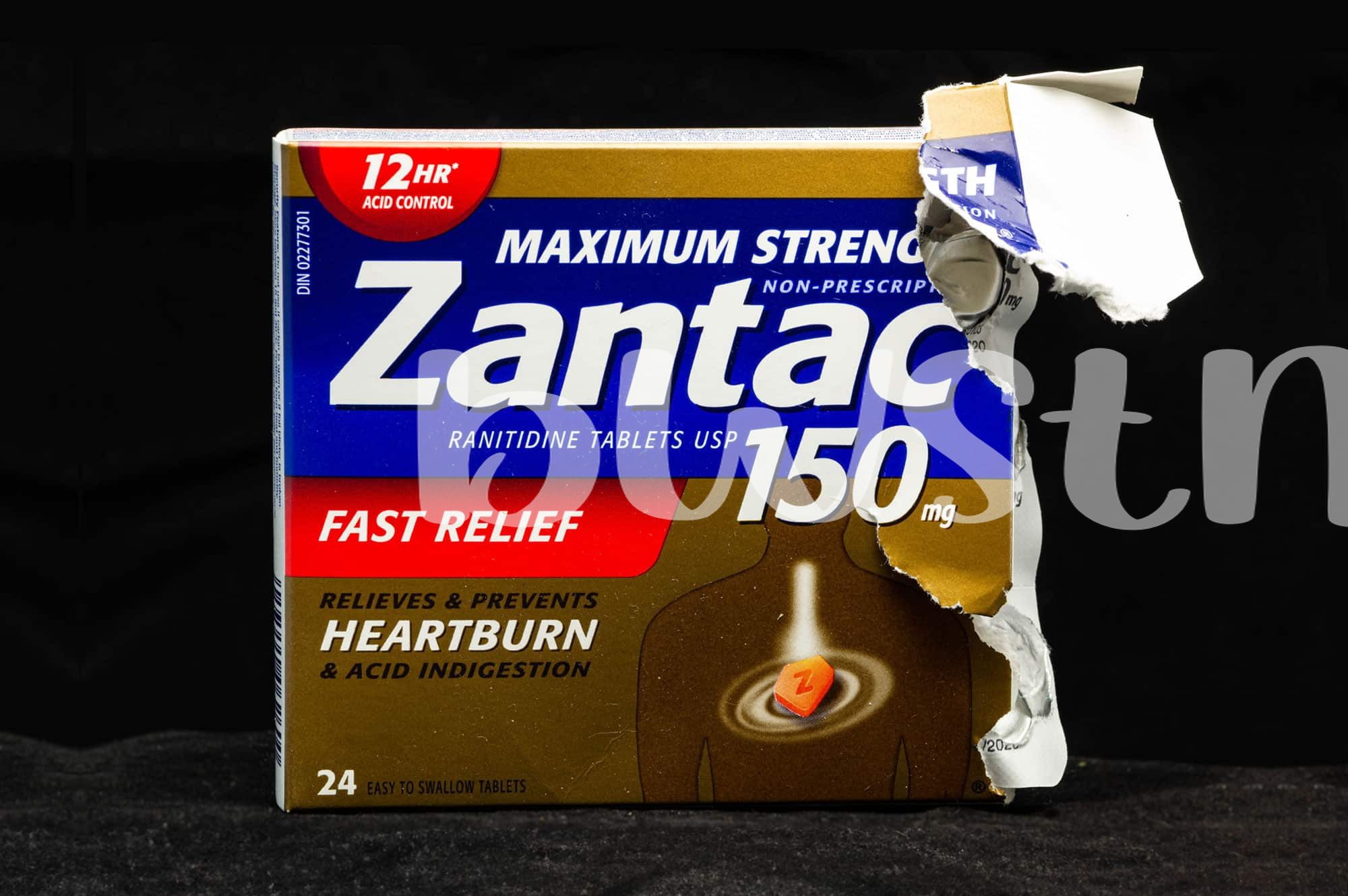
For years, zantac was a familiar remedy in medicine cabinets, trusted for easing heartburn and acid reflux. Its reputation changed when scientists and regulators began examining concerns about contamination in ranitidine, the active ingredient.
The first alarm came from laboratory testing that detected NDMA, a chemical classified as a probable human carcinogen. This finding raised questions about whether long-term use could expose patients to unsafe levels.
As more studies explored storage conditions, age of pills, and temperature effects, evidence suggested NDMA could form and increase over time. That possibility pushed the issue from a routine drug safety matter into a major public health concern.
Soon, lawsuits, recalls, and regulatory reviews followed, linking zantac to cancer risk discussions worldwide. The story became a cautionary example of how a widely used medication can turn controversial when hidden impurities are uncovered.
Key Medical Studies and Their Findings
Several studies shifted public concern about zantac from a simple recall issue to a deeper health debate. Researchers found that ranitidine, its active ingredient, could break down into NDMA under certain conditions, especially with heat and time. Laboratory work showed this compound may form in storage, raising questions about long-term exposure in everyday use.
Later observational studies examined cancer reports among people who had used zantac for years. Some analyses suggested possible links with bladder, stomach, or liver cancers, while others noted limits in proving direct causation. The findings were enough to alarm regulators and prompt a closer look at safety data.
Taken together, the evidence did not prove zantac caused cancer in every user, but it did reveal a credible risk that could not be ignored.
Understanding Ndma and Its Health Risks
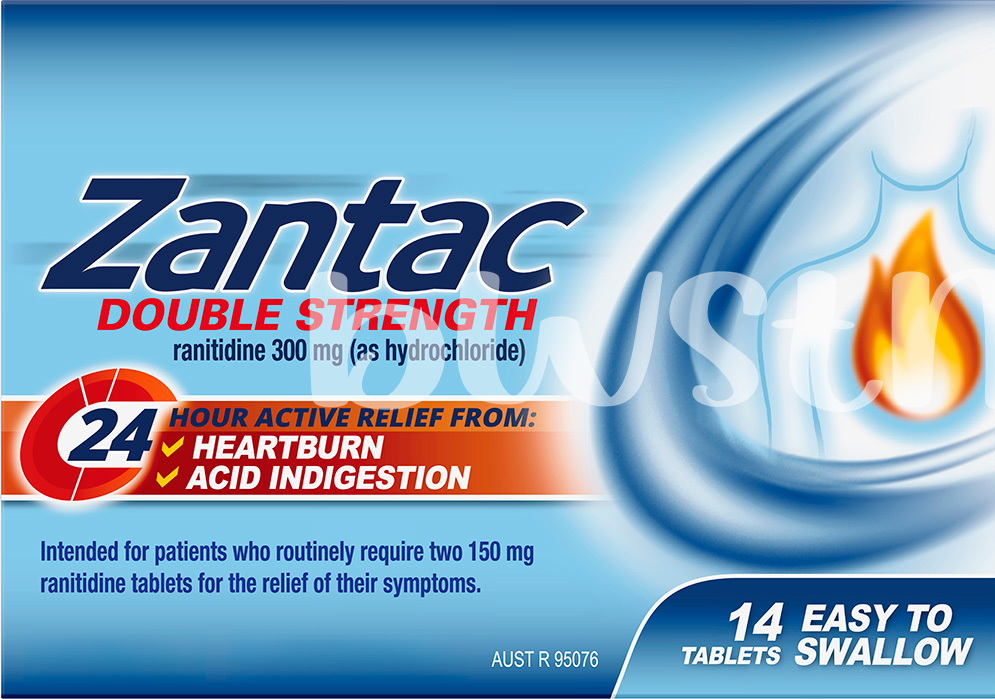
NDMA is a nitrosamine, a chemical impurity that can form in certain medicines, foods, and water under specific conditions. It became a major concern when found in some ranitidine products, including Zantac, because even small amounts raised questions about long-term exposure and safety.
Health experts note that NDMA is classified as a probable human carcinogen. That means repeated exposure may increase cancer risk over time, especially if the contamination is sustained. While a single low dose is unlikely to cause immediate harm, the discovery led regulators to act quickly and prompted closer testing of many products.
Who May Have Been Most at Risk
People who used Zantac regularly for long periods may have faced the greatest concern, especially those taking higher doses for chronic heartburn or acid reflux.
Risk may also have been more significant for older adults and people already exposed to other cancer-related factors, since repeated exposure can matter over time.
Some patients relied on the medicine daily, often without knowing that contamination issues could affect certain products. That made long-term users the group most closely watched.
For many, the story became a reminder that common drugs can carry hidden problems, especially when use is frequent and prolonged.
| Risk group | Reason for concern |
| Long-term users | Greater cumulative exposure |
| High-dose users | Potentially higher NDMA intake |
Current Guidance for Patients and Consumers
If you used Zantac or another ranitidine product in the past, the most practical step is to stay informed and talk with a healthcare professional if you have concerns. Most people do not need emergency action, but anyone who still has the medication should stop using it unless a clinician specifically advises otherwise. Pharmacists and doctors can suggest safer alternatives for heartburn, acid reflux, or ulcers, such as famotidine, antacids, or lifestyle changes tailored to your symptoms.
Consumers should also keep an eye on official updates from regulators, since guidance has changed as more evidence has emerged. If you believe you experienced unusual symptoms after long-term use, or if you are worried about cancer risk, bring your medication history to your next appointment and ask about screening if appropriate. Staying calm, checking facts, and replacing assumptions with medical advice is the best way to protect your health.