
To Buy Zithromax Online Visit Our Pharmacy ↓
 Zithromax Dosage Tips for Adults
Understanding Zithromax and How It Works
Zithromax is an antibiotic many adults recognize by its quick, once-daily dosing and broad usefulness against certain bacterial infections. It works by stopping bacteria from making proteins they need to grow and multiply, which gives your immune system a better chance to clear the infection. That makes it a practical option for illnesses like some respiratory, skin, and ear infections when a doctor decides bacteria are the cause.
What makes it different is how long it stays active in the body. Even after a dose is absorbed, the medicine continues working in tissues, so treatment can be shorter than with some other antibiotics. This lasting effect is one reason it is often chosen when simplicity and adherence matter.
| Key idea | Why it matters |
| Stops bacterial protein production | Slows infection growth |
Standard Adult Dosage Guidelines Explained Clearly
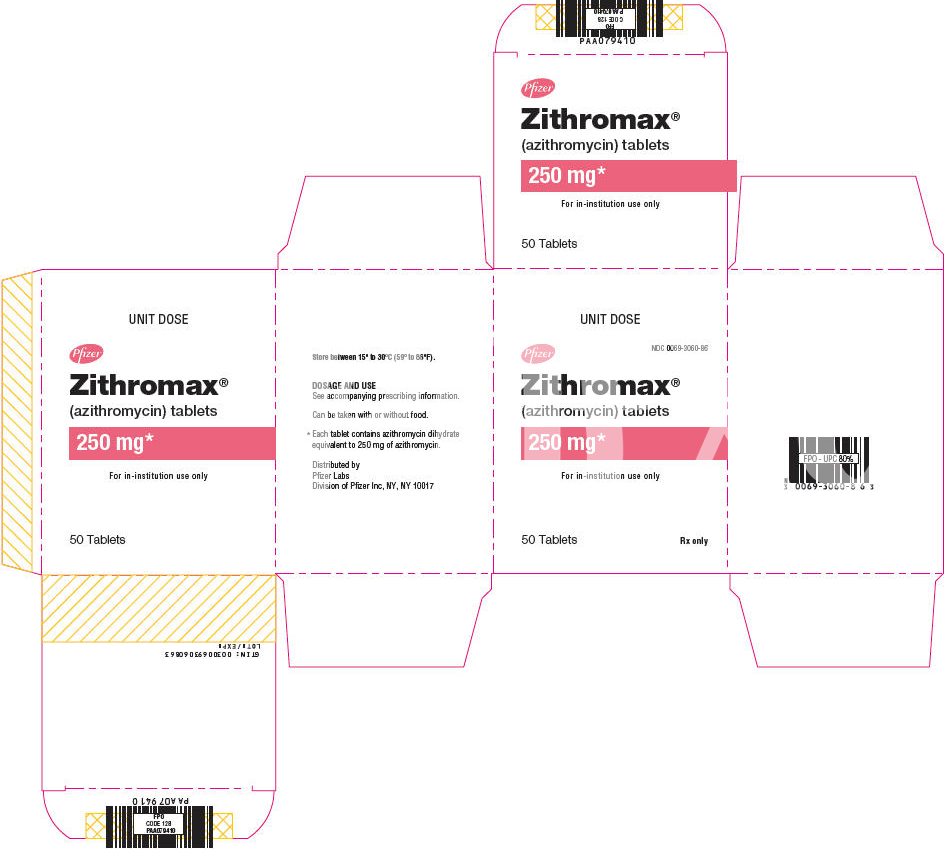
Zithromax is commonly prescribed as a short course, and adults often take it once daily, with the exact dose depending on the infection being treated.
A doctor may choose a 500 mg first dose, followed by 250 mg for the next four days, or another schedule such as 500 mg daily for three days.
Because zithromax is tailored to the illness, never adjust the number of tablets on your own, even if symptoms improve quickly.
Following the prescribed plan helps the antibiotic work properly and lowers the chance of missed doses or treatment failure.
When Timing Matters: Taking It Correctly
Timing can make a big difference when taking zithromax, especially if your doctor has given a specific schedule. Some adults do best taking it at the same time each day, which helps build a routine and reduces missed doses. If your prescription calls for one dose daily, choose a time that fits easily into your normal day.
Taking it exactly as directed also supports the medicine’s effectiveness. Swallow the tablet or capsule with water, and follow any instructions about taking it with or without food. If you forget a dose, take it as soon as you remember unless it is close to the next one.
Avoid doubling up to make up for a missed dose. Staying consistent helps the antibiotic work properly and lowers the chance of treatment problems. When in doubt, check with your pharmacist or doctor for timing advice.
Foods, Drinks, and Medicine Interactions

Zithromax is usually easy to take, but what you eat and drink can affect how comfortable it feels. A light meal may help if nausea shows up, yet a heavy, oily meal is unnecessary and can slow your routine.
Water is the best choice with each dose. Skip alcohol if possible, especially if you already feel dizzy or upset stomach. Coffee and other caffeinated drinks are not known to block zithromax, but too much can add to jitteriness or dehydration.
Some medicines need extra caution. Antacids containing aluminum or magnesium can reduce absorption, so separate them from zithromax by at least two hours. Also tell your doctor about blood thinners, heart medicines, and any supplements you take.
A quick label check can prevent trouble. When in doubt, ask a pharmacist before mixing prescriptions, over-the-counter products, or herbal remedies. Small timing changes now can make treatment safer and more effective.
Common Mistakes Adults Should Avoid
Many adults make small dosing errors with zithromax that can reduce its benefit or raise the risk of side effects. Skipping doses, doubling up after a missed dose, or stopping early because symptoms improve are especially common mistakes. Antibiotics work best when taken exactly as prescribed, even if you feel better before the course is finished. Another frequent slip is using an old prescription or sharing tablets with someone else, which can be unsafe and may not treat the actual infection.
| Mistake | Why It Matters |
|---|---|
| Missing doses | Can weaken treatment and slow recovery |
| Stopping early | May let the infection return |
| Sharing medicine | Risky and often ineffective |
It also helps to avoid alcohol if your doctor advises caution, and to check labels for duplicate ingredients in other medicines.
When to Call Your Doctor Immediately
If you notice trouble breathing, swelling of the face or throat, chest pain, severe dizziness, or a rash that spreads quickly, stop taking the medicine and get medical help at once. These can signal a serious reaction that needs urgent attention. It’s also important to act quickly if you develop severe diarrhea, especially if it is watery or bloody, because some infections can worsen after antibiotics.
Call your doctor right away if your symptoms get worse instead of improving, or if you develop yellowing of the skin or eyes, dark urine, or unusual fatigue. Strong palpitations, fainting, or a very fast heartbeat should never be ignored either. When in doubt, trust your instincts and seek guidance promptly.